Denver’s summer climate presents a unique set of challenges: soaring temperatures, minimal rainfall, and stringent water regulations. But for a seasoned landscape architect in Denver, these are design opportunities. Through smart xeriscaping, native plant strategies, and advanced irrigation, landscapes can thrive beautifully and responsibly, even in the harshest conditions.
Understanding Denver’s Heat and Drought Conditions
Summers in Denver typically feature average highs in the upper 80s to 90s, accompanied by less than 2 inches of rainfall per month. These conditions, paired with increasing drought frequency, demand landscaping solutions that conserve water without sacrificing appeal or functionality. Outdoor irrigation can account for nearly 50 % of household water use in the area, according to Denver Water, making sustainable landscape design a wise and necessary choice for local homeowners.
What Is Xeriscaping and Does It Save Water?
Xeriscaping is a landscaping method focused on water conservation. Originating in Colorado, it relies on drought-tolerant plants, smart design, and efficient irrigation systems. It’s especially effective in arid climates like Denver’s, where conserving every drop of water is both environmentally and economically essential. As awareness grows, xeriscaping has become a popular and forward-thinking solution for homeowners seeking beauty and sustainability.
Core principles include:
- Planning for water zones: Grouping plants by water needs
- Improving soil: Enhancing retention and drainage
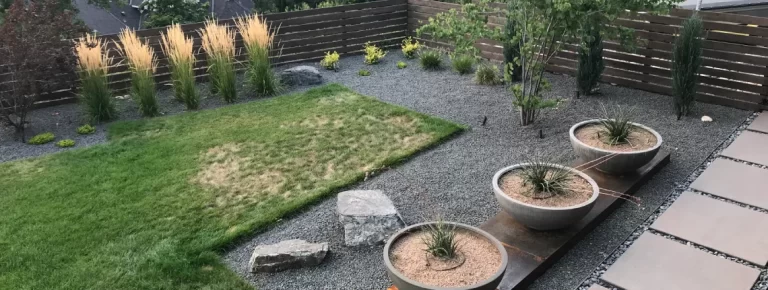
- Reducing turf: Replacing thirsty lawns with gravel or groundcovers
- Efficient irrigation: Using drip systems, intelligent controllers, and rain sensors
- Mulching: To prevent evaporation and suppress weeds
According to the Colorado Water Wise Council, xeriscaping can reduce outdoor water use by 30 to 80%, making it an ideal choice for drought-prone areas like Denver.
Native Plant Landscape Design That Handles the Heat
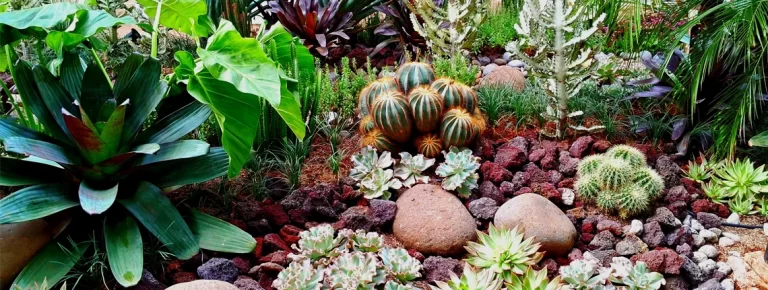
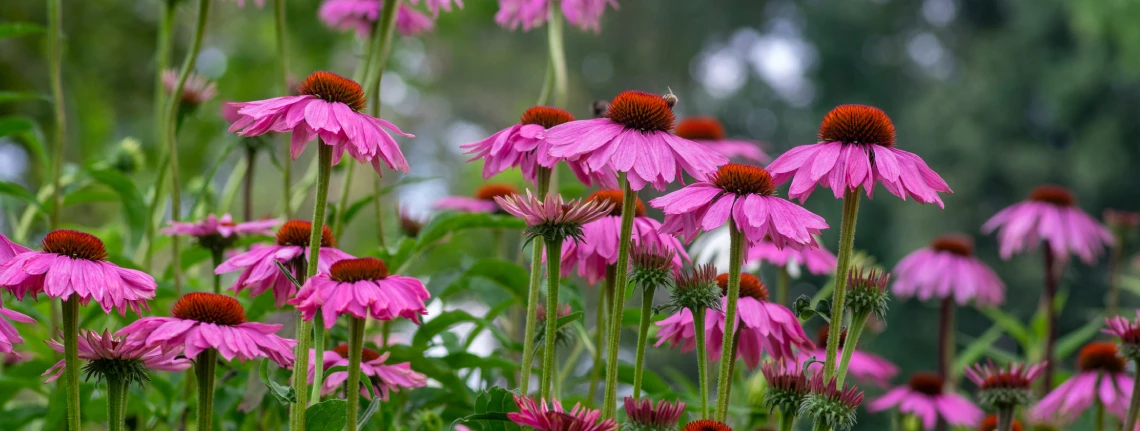
Native and drought‑tolerant plants are the backbone of successful Denver landscape architecture. These species are adapted to local soil, sun, and precipitation cycles. They also require less maintenance over time, making them a practical choice for long-term sustainability and curb appeal. A well-designed native landscape balances color, texture, and habitat value throughout the seasons.
Top drought-tolerant plants for Denver landscapes:
- Russian Sage: long blooming, low maintenance
- Blue Grama Grass: Colorado’s state grass for ornamental groupings
- Apache Plume: blooms in harsh conditions with minimal watering
- Penstemon and Yarrow: attract pollinators and thrive in dry soils
Using a mix of textures, heights, and seasonal interest, native landscapes can be just as lush and colorful as traditional gardens.
Can Landscape Architecture Reduce Water Bills?
Absolutely. A professionally designed, water‑wise landscape reduces irrigation demand, lowering your monthly utility bills. Features such as zoned irrigation for precise watering, smart controllers that adjust after rain or heatwaves, soil amendments to retain moisture, and strategically placed shade trees that reduce evaporation all work together to lower water usage. Over time, these design strategies not only conserve resources but also increase property value and landscape resilience. Mile High Landscaping regularly designs systems that result in hundreds of dollars in annual savings for Denver homeowners.
Smart Irrigation and Design Tactics
Efficient water delivery is as important as plant choice. A landscape architect considers hydrozoning to group plants with similar water needs, drip irrigation to deliver water directly to roots and reduce waste, and weather-based controllers that automatically adjust schedules. These systems reduce runoff, prevent overwatering, and ensure that every drop is used effectively. Incorporating moisture sensors and pressure-regulated emitters can further enhance efficiency and protect your investment in plants and hardscaping. These advanced strategies work behind the scenes to deliver consistent, reliable irrigation with minimal effort from the homeowner.
Design Tip: Use berms and swales to redirect rainfall and minimize erosion, capturing natural moisture on-site.
Available Rebates and Incentives
The City of Denver and local utilities offer rebates for replacing lawns with drought-tolerant plantings, installing high-efficiency irrigation systems, and replacing spray sprinklers with drip systems. Check with Denver Water and Resource Central for the latest programs and eligibility. These incentives make it easier to invest in sustainable upgrades without stretching your budget. Taking advantage of rebates not only supports water conservation but can also accelerate your return on investment.
Real Results From Mile High Landscaping
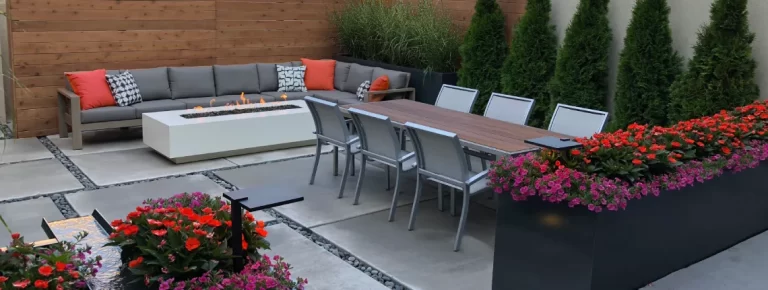
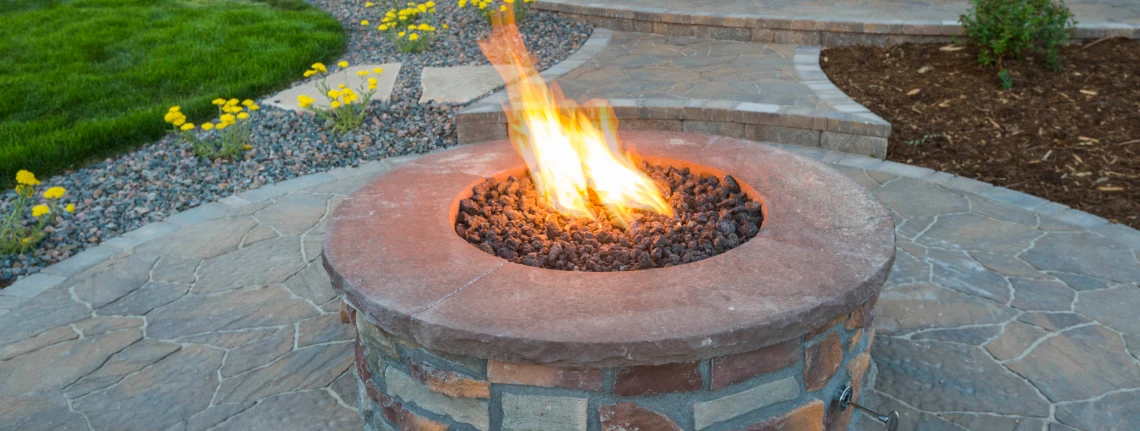
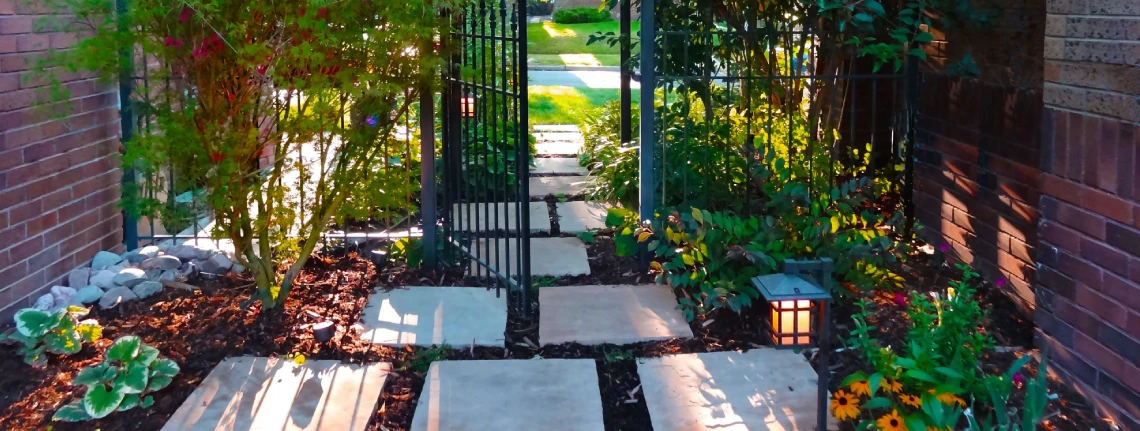
At Mile High Landscaping, we design and install landscapes that not only withstand Colorado’s climate but thrive in it. Our completed projects showcase bright, sustainable designs that utilize native plants, efficient irrigation systems, and custom outdoor living spaces. We also offer irrigation system installation tailored for Denver’s drought challenges.
Start Your Drought-Proof Design Today
Design for Colorado’s climate without sacrificing style. Call Mile High Landscaping at (303) 595-0404 to schedule a consultation. We serve Denver and nearby areas with personalized, climate-conscious landscaping solutions. Discover our recent projects, read client testimonials, and find inspiration. Let us help you create a landscape that thrives no matter how hot or dry the summer gets.