Wildfire defensible space in Colorado is organized into three main zones: Zone 1, which is 0–5 feet from the home; Zone 2, which is 5–30 feet from the home; and Zone 3, which is 30–100 feet from the home. Each zone helps reduce the amount of fuel that can carry fire toward your house. For Denver and Front Range homeowners, wildfire-resistant landscaping is no longer just a mountain property concern, especially after the Marshall Fire showed how quickly fire can move through suburban neighborhoods.
Fire resistant landscaping Colorado Front Range homes need is not about removing every plant or turning the yard into plain rock. It is about using better layout planning, hardscape placement, plant spacing, gravel areas, short grasses, and routine maintenance to slow fire movement. Mile High Landscaping can help homeowners approach wildfire protection through landscape design and installation, using smart layouts and water-wise materials that fit Colorado properties.
What Is Wildfire Defensible Space in Denver, CO?
Wildfire defensible space in Denver, CO is the managed area around your home where plants, mulch, trees, and other combustible materials are spaced, reduced, or replaced. The goal is to make it harder for flames, radiant heat, and embers to reach the structure. A strong defensible space plan focuses first on the areas closest to the home because that is where fire risk matters most.
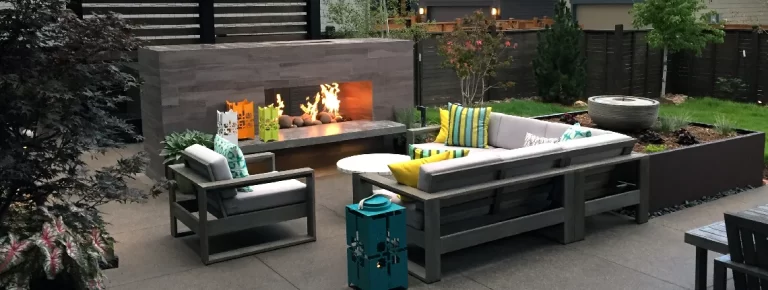
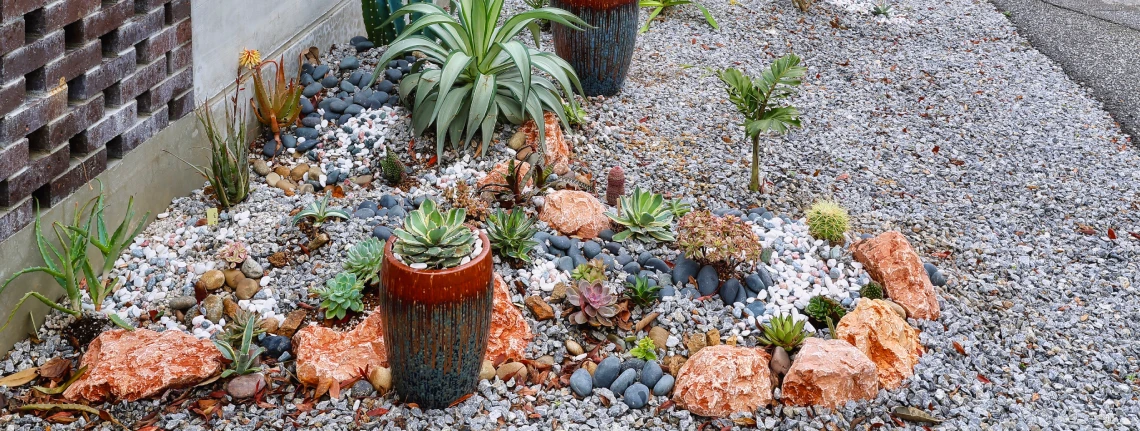
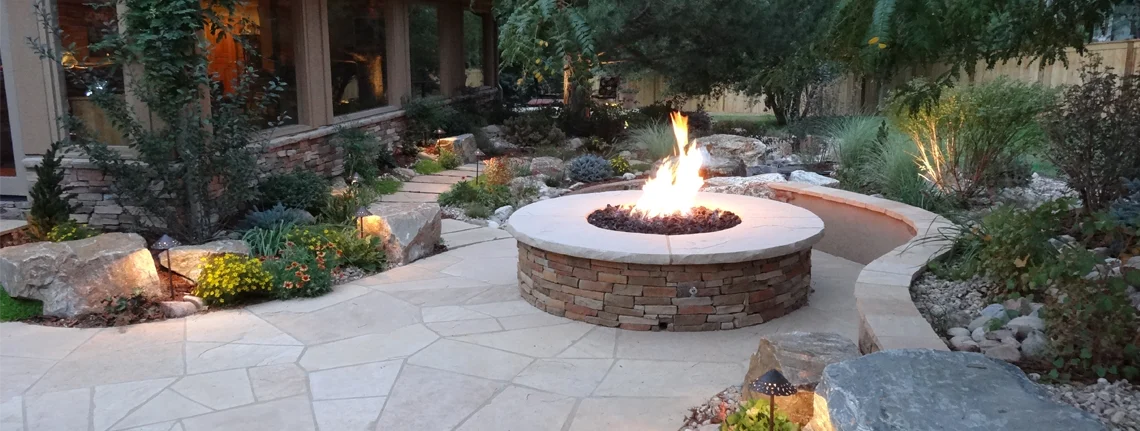
This does not mean every landscape has to look bare. Patios, walkways, gravel paths, rock beds, native plants, and xeriscape areas can all support a safer design. The best fire safe landscaping Front Range Colorado properties can use blends safety, curb appeal, outdoor function, and long-term maintenance.
The Three Defensible Space Zones Explained for Denver Properties
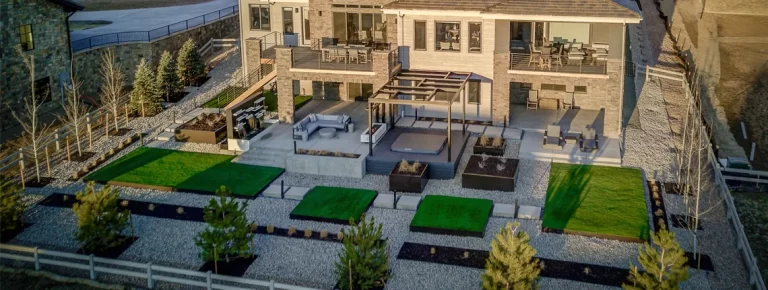
Colorado defensible space zones start at the home and move outward. Smaller Denver lots may not have a full 100 feet of private space, so the first 5 feet and first 30 feet become especially important. Each zone has a different purpose in reducing fire risk.
| Zone | Distance From Home | Main Goal | Landscape Design Approach |
| Zone 1 | 0–5 feet | Keep fire and embers away from the structure | Use non-combustible materials like stone, gravel, pavers, concrete, or bare soil |
| Zone 2 | 5–30 feet | Break up fuel and reduce fire movement | Use spaced plants, short grass, rock paths, patios, and low-fuel planting beds |
| Zone 3 | 30–100 feet | Slow fire spread before it reaches the home | Thin trees, remove ladder fuels, manage dry grass, and reduce dense vegetation |
A full landscape design plan can make these zones feel natural instead of forced. Patios, walkways, planting beds, lawn areas, rock borders, and open spaces should work together from the start. That creates a yard that feels intentional while still supporting better wildfire protection.
Fire-Resistant Plants for the Front Range
Fire resistant plants Denver Colorado homeowners choose should be low-growing, well-spaced, healthy, and maintained. No plant is fully fireproof, but some plants create less fuel when they are placed correctly and cared for well. The best options usually have lower resin content, less dead material, and a growth habit that does not create dense fuel.
| Plant | Type | Why It Works Well |
| Mountain Mahogany | Native shrub | Works well when spaced and maintained properly |
| Apache Plume | Native shrub | Drought-tolerant with an open growth habit |
| Kinnikinnick | Native groundcover | Low-growing and useful for lower-fuel coverage |
| Blue Grama Grass | Native grass | A lower-growing native grass option when managed |
| Rocky Mountain Penstemon | Native perennial | Adds color without creating heavy woody fuel |
| Catmint | Non-native perennial | Low-growing and easy to use in separated beds |
| Lavender | Non-native perennial | Works best when pruned and kept out of Zone 1 |
| Iceberg Rose | Non-native shrub | Can fit well when watered, pruned, and spaced |
Plant choice is only part of the design. Placement, spacing, irrigation, pruning, and cleanup all affect how safe a planting area is. Even low-fuel plants can become risky if they are dry, overgrown, or full of dead stems.
Plants and Materials to Avoid Near the Home
Some plants and materials burn hotter, dry out faster, or hold more dead material. These are especially risky in Zone 1 and close Zone 2 areas. Homeowners should be careful with anything that creates dense, dry, or resin-heavy fuel near the structure.
Avoid or limit these near the home:
- Juniper shrubs close to siding, windows, decks, or fences
- Dense evergreen hedges near the house
- Dry ornamental grasses in Zone 1 or close Zone 2 areas
- Wood mulch, bark mulch, pine needles, or rubber mulch near the structure
- Shrubs planted directly below trees
- Firewood, lumber, cushions, and combustible storage near the home
How Landscape Design and Installation Can Reduce Fire Risk
A fire-smart yard works best when it is designed as one complete system. Patios, walkways, gravel areas, plant beds, lawn sections, irrigation, and open space should all have a purpose. When these features are planned together, they can improve curb appeal while also breaking up fuel across the property.
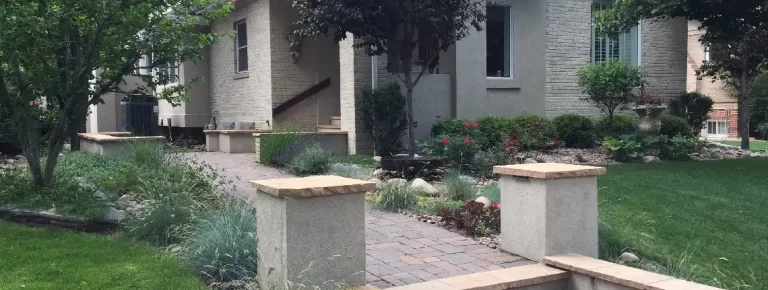
Hardscape is one of the most useful tools in fire resistant yard design Denver properties can use. Patios, driveways, decomposed granite paths, paver walkways, retaining walls, gravel beds, and rock mulch can create breaks where fire has less plant material to move through. These features also make the yard easier to use and maintain.
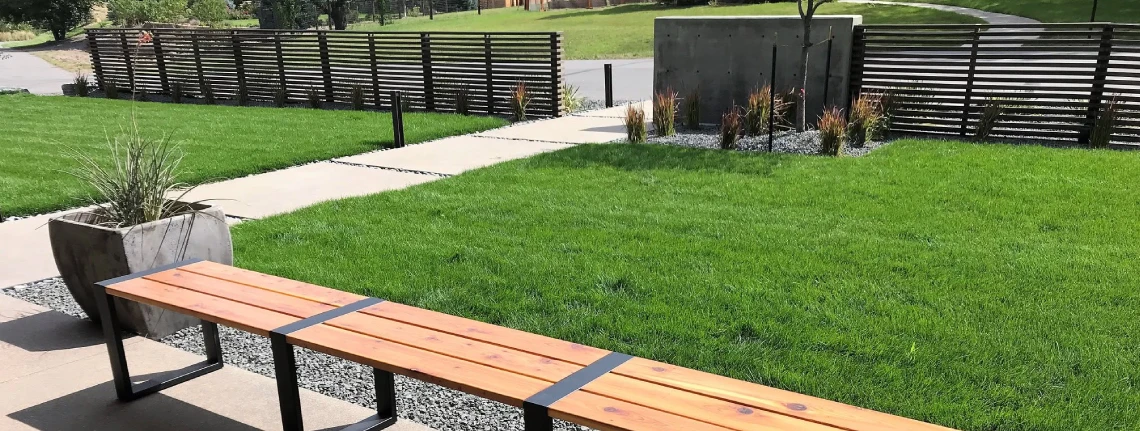
Xeriscape can also support defensible space when it is planned with the right spacing and plant choices. Rock areas, drip irrigation, separated planting beds, and low-growing plants can reduce fuel continuity while saving water. The key is to avoid dense, dry, woody, or oily plants too close to the home.
What the Marshall Fire Taught Front Range Homeowners
The Marshall Fire showed that suburban wildfire risk is real in the Denver metro and Front Range area. Wind, dry grass, fences, mulch, shrubs, and closely spaced structures can all help fire move quickly. That lesson matters for homeowners in Denver, Westminster, Louisville, Superior, and other nearby communities.
Wildfire protection is not only about trees in the mountains. It is also about what sits next to your siding, under your trees, along your fence, and around your patio. A smarter landscape design can reduce fuel while still giving your property a clean, comfortable, and attractive outdoor space.
Plan a Fire-Smart Landscape With Mile High Landscaping
Wildfire-resistant landscaping in Denver and the Front Range starts with defensible space, but it should still feel like a complete outdoor living area. The right plan can include patios, walkways, rock areas, xeriscape plants, drainage, irrigation, and outdoor features that support both safety and style. With professional landscape design and installation in Denver, CO, Mile High Landscaping can help you create a yard that fits Colorado’s climate, your property layout, and your long-term goals.
If you want a smarter way to plan fire resistant landscaping Colorado Front Range homes can rely on, our team can help you think through your yard by zone. We can review the first 5 feet around your home, the main 30-foot landscape area, and the wider property layout to reduce fuel and improve function. Contact us today to start planning a safer, cleaner, and better-designed Denver landscape.