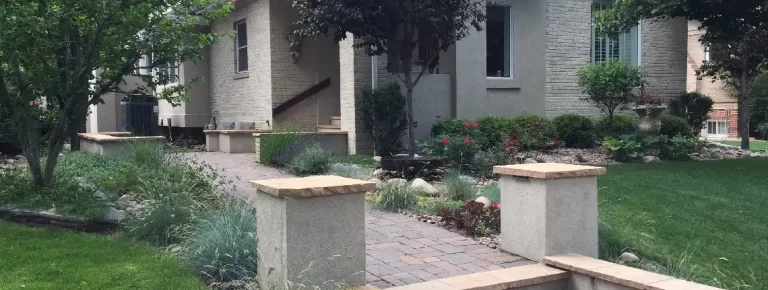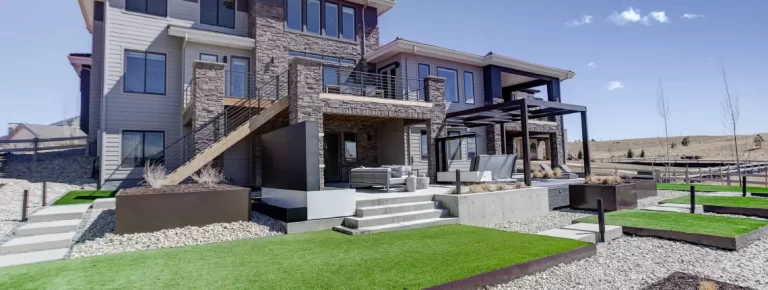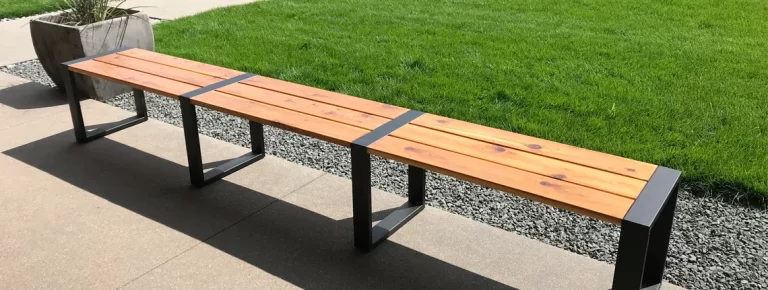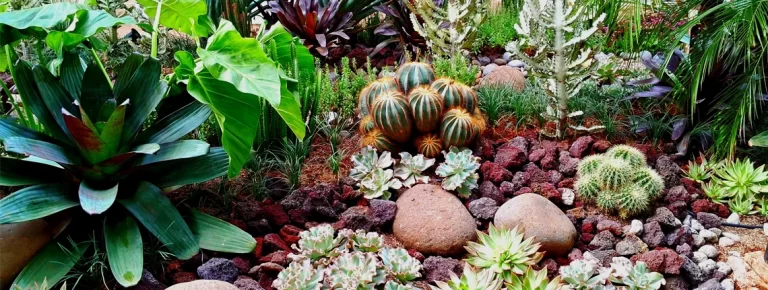
Denver clay soil landscaping can be tricky because the native soil is often heavy, alkaline, slow-draining, and easy to compact. That mix explains why plants struggle, water pools after storms, lawns thin out, and patios settle unevenly over time. The good news is that clay soil can be managed with the right design, soil preparation, drainage plan, and landscaping service.
What Makes Denver Clay Soil So Difficult?
Denver’s soil is different from loose, easy-draining soil because it holds water tightly and becomes hard when dry. Many Colorado soils are also alkaline, which means the pH is often high enough to limit how plants absorb certain nutrients. Before you can understand how to fix clay soil in Denver, CO, it helps to know what is happening underground.
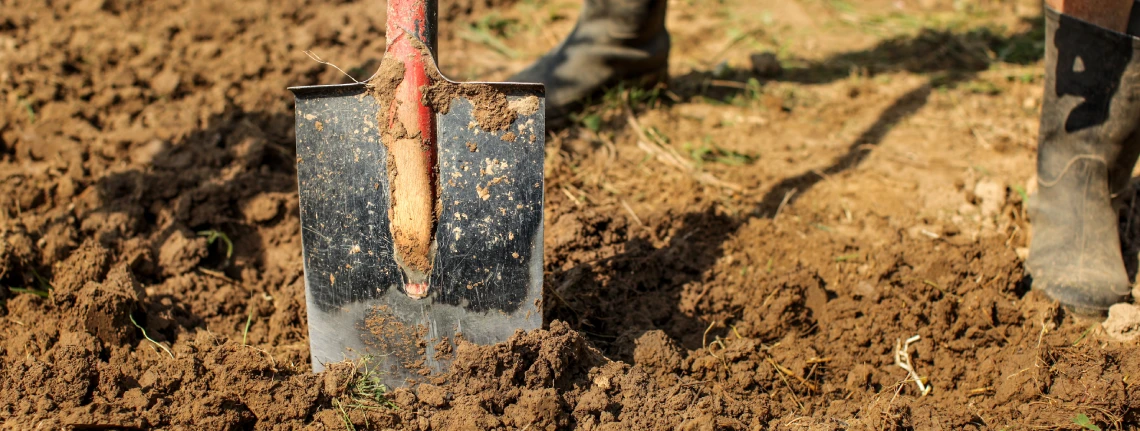
Clay soil has very small particles, so water moves through it slowly. When it gets wet, it can become sticky, heavy, and compacted. When it dries out, it can become dense, cracked, and difficult for roots to push through.
Alkaline clay soil in Denver plants can also cause nutrient problems. Iron may be present in the soil, but high pH can make it harder for certain plants to use it. That is why some plants turn yellow even when they are being watered.
Common Signs Clay Soil Is Hurting Your Landscape
Clay soil does not always look like a problem at first. Many homeowners only notice it after plants fail, turf thins, or hardscape areas begin to shift. If you are dealing with drainage problems clay soil in Denver can create, these warning signs are worth watching.
- Standing water after rain
- Yellowing plants after watering
- Thin lawns and bare patches
- Weak trees after planting
- Settling patios or shifting pavers
- Slow mulch breakdown
- Runoff on sloped areas
Why Standard DIY Fixes Often Make Clay Soil Worse
A lot of homeowners try to fix clay soil by tilling, adding sand, or watering more often. Those fixes can backfire when the soil is already compacted or alkaline. The right amendment for clay soil in Denver depends on soil texture, drainage, pH, and what you want the space to support.
Adding sand to heavy clay can make the soil denser instead of looser. Over-tilling can break clay into fine particles that settle back into a hard layer. Watering more often can also make root problems worse if the soil is already holding too much moisture.
A professional approach looks at the full site first. That includes slope, runoff, irrigation, soil condition, plant selection, and how patios or walkways will sit on the ground. Clay soil landscape design in Colorado works best when the plan is built around the soil instead of fighting against it.
How Professionals Improve Clay Soil in a Denver Yard
Professional clay soil improvement starts with structure, not shortcuts. The goal is to improve water movement, air space, root growth, and long-term stability. If you want to know how to improve clay soil in a Denver yard, these are the main steps that matter.
- Test the soil before major design decisions: A soil test helps identify pH, organic matter, salts, phosphorus, potassium, and other baseline conditions. This prevents guessing and helps guide the right amendment plan.
- Add the right organic matter: Compost and other well-aged organic amendments can improve soil structure, aeration, drainage, and rooting depth. The material needs to be mixed correctly into the soil, not just buried or left in thick layers.
- Avoid working wet clay: Clay should not be worked when it is wet and sticky. If the soil forms a tight ball in your hand, it is usually too wet to dig, amend, or compact.
- Fix grading before adding plants: If water flows toward the home or sits in low spots, soil amendments alone will not solve the issue. Proper grading helps move water away from structures and toward the right drainage areas.
- Choose plants that can handle Denver conditions: The best plant choices are based on sun, exposure, water needs, soil pH, and root behavior. Native and climate-adapted plants often perform better than plants that need acidic, loose, moisture-rich soil.
The Mile High Approach to Clay Soil Landscaping
At Mile High Landscaping, we treat Denver clay soil as part of the full landscape plan, not as a small detail. Our landscaping service can include custom landscape design, expert installation, grading, mulch installation, irrigation installation, hardscape planning, and outdoor lighting when it supports the project. We use the right service mix to help each yard drain better, grow better, and hold up longer.
Landscape Design and Installation
Clay soil landscape design in Colorado needs smart planning from the start. We look at slope, runoff, plant needs, soil condition, and long-term maintenance before the installation begins. This helps the finished space look good while also working with Denver’s soil.
Grading and Drainage
Drainage problems clay soil in Denver yards often come from low spots, compacted soil, or poor slope. We plan water movement before it damages planted areas, patios, or the home. Better grading helps water move where it should instead of sitting on the surface.
Irrigation Installation
Clay soil holds water longer than sandy soil, so irrigation needs careful planning. We design irrigation around soil moisture, plant needs, sun exposure, and water movement. This helps reduce overwatering, runoff, and root stress.
Hardscape Planning
Clay soil hardscape problems in Denver often start below the surface. Patios, walkways, and outdoor living areas need proper base preparation, grading, drainage, and compaction. This helps reduce settling, shifting, and long-term repair issues.
Outdoor Lighting
Outdoor lighting does not fix clay soil, but it can support the finished landscape design. It highlights walkways, patios, plantings, and outdoor living areas after the main layout is complete. This helps the space feel more polished and usable at night.
Why Clay Soil Can Damage Patios, Walkways, and Hardscapes
Clay soil hardscape problems in Denver happen when the ground expands, shrinks, and shifts with moisture changes. Patios, walkways, and paver areas need proper base preparation, grading, drainage, and compaction to stay stable. For landscaping clay soil Front Range projects, good preparation helps reduce settling, shifting, and long-term repair issues.
Why Soil Testing Should Come Before New Planting Design
Soil testing gives you real information before money is spent on plants, turf, amendments, or irrigation. In Denver, this matters because alkaline clay soil can affect drainage, nutrient availability, and root growth. A soil test helps guide smarter choices before the design is finalized.
A useful soil test can show pH, organic matter, salts, nitrogen, phosphorus, potassium, and other important soil details. This helps determine the right amendment for clay soil in Denver instead of guessing. Colorado university extension resources can also help homeowners understand proper soil testing and sampling.
Fix Your Clay Soil Problems With Professional Landscaping
If clay soil is causing drainage problems, plant stress, thin turf, or hardscape movement, the fix starts with a better plan. Denver clay soil landscaping needs proper soil preparation, smart grading, efficient irrigation, and plant choices that can handle Colorado conditions. A professional landscaping service can help turn difficult soil into a space that looks better, drains better, and lasts longer. Contact our team today to plan a landscape that works with your yard instead of fighting against it.