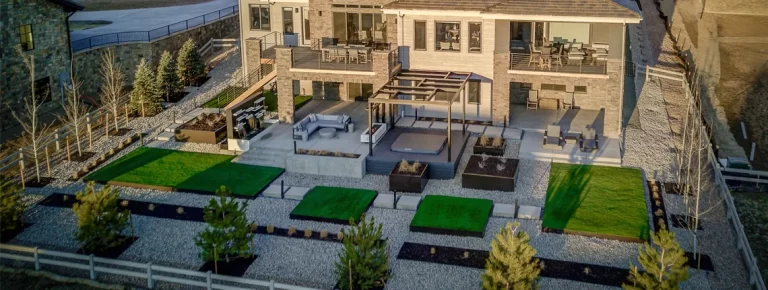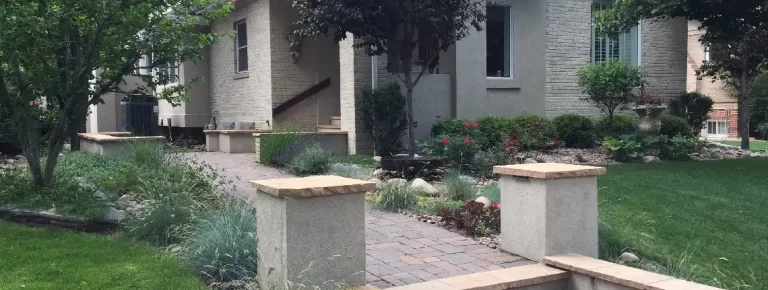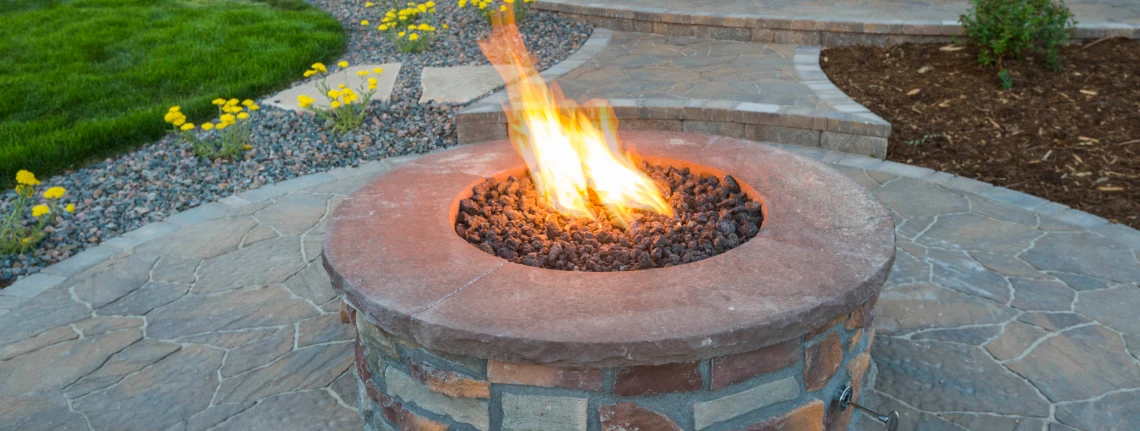

To get your Denver hardscape ready for fall, sweep off debris and pressure wash with a gentle cleaner, then pull weeds and refill the joints with polymeric sand. Seal everything when you’ve got 24-48 hours of dry weather, and fix any cracks or shifting before it gets cold. Drain your water features, store your outdoor furniture, and make sure water can drain properly so ice doesn’t build up and crack your hardscape over winter. In this post, you’ll learn:
- How to clean and clear hardscape surfaces
- Steps to maintain and reinforce joints
- Tips for protecting surfaces with sealant
- How to repair damage before it worsens
- Best practices for winterizing accessories and managing snow and ice
- How Mile High Landscaping can help you get it done
1. Clean and Clear Hardscape Surfaces
Before you repair or seal anything, start with a clean canvas. Debris and organic buildup trap moisture, stain surfaces, and accelerate deterioration.
- Regular clearing: Sweep or use a blower to remove leaves, twigs, and dirt from patios, driveways, walkways, and other hardscape elements. Wet leaves left too long can stain concrete or stone. In shaded or damp zones, be extra vigilant with leaf removal to avoid moss or mildew formation.
- Deep cleaning: Use a pressure washer on a low setting, keeping the nozzle at least 12 to 18 inches from the surface and spraying at a 45‑degree angle to avoid dislodging joint material. Choose a pH‑neutral masonry cleaner that is safe for concrete, natural stone, or pavers. Avoid strong acids or harsh chemicals that may discolor or etch surfaces.
- Address biological growth: Inspect for algae, moss, or mildew in shaded areas or near retaining walls. Use cleaners formulated to remove them without damaging the material. After cleaning, let surfaces dry fully, ideally 24 to 48 hours, before beginning joint or sealant work.
Once all surfaces are clean and dry, you can move on to restoring your joints.
2. Maintain and Reinforce Joints
Joints, the spaces between pavers or stones, anchor your design and prevent shifting or weeds. Over time they can erode, loosen, or fill with soil. Fall is the perfect time to refurbish them.
- Remove old material and weeds: Pull weeds by hand, removing roots entirely. Use a joint‑cleaning tool or gentle low‑pressure wash to remove loose or deteriorated joint fill, down to the original depth.
- Refill with polymeric joint sand: Sweep fresh polymeric sand into the joints until they are about one‑eighth of an inch below the surface of the pavers. Compact gently using a hand tamper or plate compactor for larger areas. Remove excess sand from the surface, then mist lightly with water to activate the binding agent.
Follow the manufacturer’s instructions carefully. Ensure uniform moisture—do not overwater or underwater, as either extreme can lead to joint failure. Allow 24 to 48 hours for the sand to cure before foot or vehicle traffic.
For steps like these ones that are more technical the best recommendation will always be hiring the experts. Our team is ready to help you.
3. Seal and Protect Surfaces
A good sealant acts as a shield, preventing water infiltration, staining, and damage from ice expansion. Timing and product choice matter. These recommendations will make your selection easier.
- Select a compatible sealant: Choose a sealer that matches your material type—concrete, natural stone, or pavers. Follow manufacturer guidance for penetration or film‑forming sealers.
- Choose the right timing: Apply the sealant when the forecast allows 24 to 48 hours of dry weather. Do not apply over damp surfaces or fresh joint sand that has not fully cured. Reapply every three to five years, or sooner in high‑traffic areas.
When done correctly, sealing protects surfaces from water, chemicals, stains, and winter ice damage. Next, repair any cracks, shifts, or damage before winter sets in.
4. Repair Cracks, Shifts, and Damage
Addressing damage early prevents escalation and keeps your hardscape stable through freeze cycles. Here are some important suggestions:
- Fill minor cracks: Use a crack filler or sealant suitable for your surface type. For concrete, use an elastomeric patch or filler that tolerates expansion and contraction.
- Reset or replace pavers: If stones or pavers have shifted or cracked, lift and realign them. Adjust or add base material such as sand or gravel to level the area before replacing. Use matching units when possible for consistent appearance.
- Consult for severe damage: For cracks wider than one‑quarter inch, deep structural cracks, or large shifts, contact a professional. Proper subbase repair, compaction, and drainage corrections may be required to prevent recurrence.
With repairs complete, focus on winterizing accessories and managing snow or ice.
5. Winterize Accessories and Manage Snow and Ice
Beyond stone or concrete, outdoor elements need protection too. Proper winter care ensures longevity and safety. Pay attention to all these recommendations but be aware that all of these will be better handled by the experts.
- Water features and plumbing: Drain fountains, ponds, or decorative water elements before freezing begins. Shut off supply lines and winterize pumps to prevent ice damage.
- Covers, furniture, and planters: Move grills, pots, or furniture to covered storage. If left outdoors, use breathable water‑resistant covers and elevate slightly to prevent moisture buildup.
- Ensure drainage is clear: Remove leaves and debris from downspouts, catch basins, and drains. Make sure water flows away from hard surfaces, as standing water can freeze and crack materials or create slipping hazards.
- Snow and ice removal best practices: Use a plastic shovel or a snow blower with a rubber blade to avoid scratching surfaces. Use de‑icing products labeled safe for concrete, pavers, and stone, and avoid standard rock salt which causes surface damage. Sand or non‑corrosive grit provides safe traction on icy days.
How Mile High Landscaping Helps You

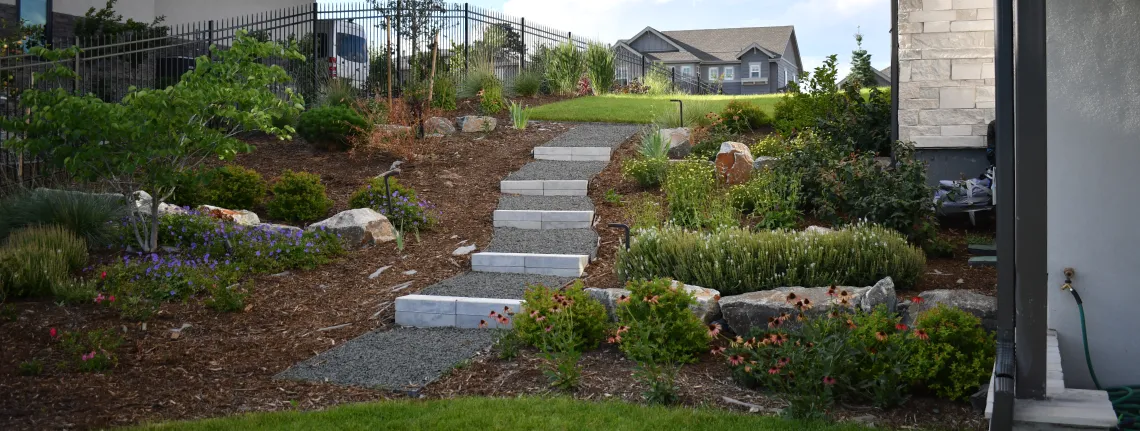
At Mile High Landscaping, we specialize in creating custom outdoor environments that elevate how you live outside. With over 20 years of experience serving the Denver area, our design-build approach blends functionality, craftsmanship, and visual appeal. We offer full-service landscape and hardscape design tailored to Colorado’s unique climate, including:
- Natural stone patios, walkways, and retaining walls
- Custom outdoor kitchens, fire pits, and fire features
- Decorative and functional water features
- Landscape lighting and irrigation integration
- Handcrafted wood and metal structures, including pergolas and screens
- Complete outdoor living design and project management
Our team focuses on enduring materials and expert construction that withstand Denver’s freeze-thaw cycles. Whether you’re enhancing your backyard or starting from scratch, Mile High Landscaping brings your vision to life—built to last.
What to Get Your Landscape Ready?
Fall hardscape preparation involves cleaning, reinforcing joints, sealing, repairing, and protecting accessories before winter arrives. Begin now, ideally in late October or November, to avoid weather setbacks.
If you want a professional evaluation or help with any of these steps, contact Mile High Landscaping today. Protect your investment and keep your outdoor living spaces looking their best for years to come.