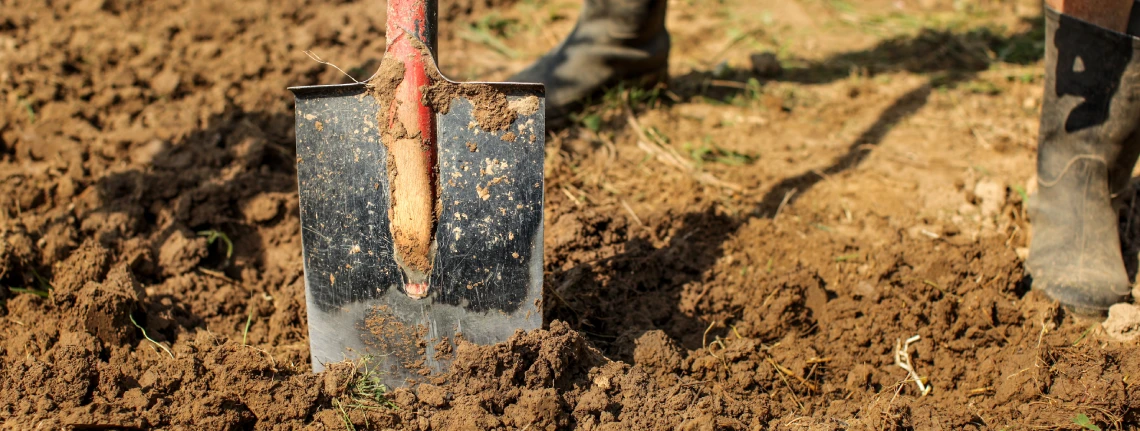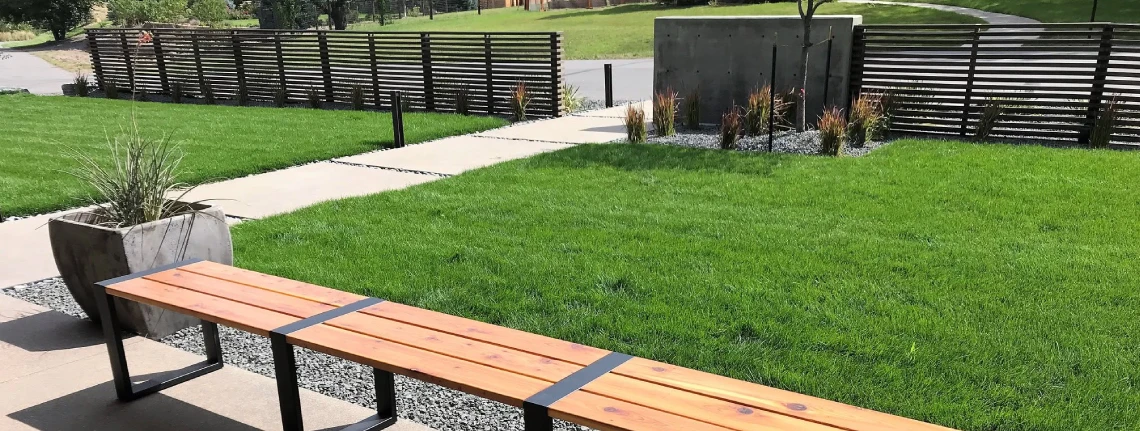
Denver hailstorms can hit fast and leave behind torn leaves, broken branches, washed-out mulch, damaged plants, and drainage problems. Some damage looks worse than it is, while other issues need quick attention. The best approach is to inspect your yard safely, clean up what you can, and decide whether the damage indicates a larger landscape problem.
Start With a Safe Walkthrough
After the storm passes, walk your property during daylight. Avoid large limbs, sharp debris, broken glass, and anything near electrical lines. Take photos before you clean up so you have a clear record of the damage.
Look for:
- Broken branches or hanging limbs
- Washed-out mulch or soil
- Exposed roots
- Standing water
- Damaged plants
- Loose edging
- Debris on patios and walkways
Check Plants, Trees, and Shrubs
Hail can shred leaves, break stems, and damage bark. Many healthy plants can recover from leaf damage, but cracked branches, torn bark, and broken stems need closer attention. Start with a light cleanup before removing too much.
Check for:
- Split branches
- Hanging limbs
- Damaged bark
- Flattened flowers
- Broken stems
- Plants that look crushed or mushy
Give perennials and shrubs a few days to respond. Some may push out new growth once the weather clears. Plants that keep wilting, collapsing, or failing to recover may need replacement.
Inspect Mulch, Soil, and Drainage
Hailstorms often bring heavy rain, which can move mulch, expose soil, and reveal drainage issues. Bare soil can wash away, compact, or dry out faster after the storm. Move clean mulch back into place and add fresh mulch where coverage is thin.
Watch for:
- Soil washing out of beds
- Mulch collecting in one spot
- Exposed roots
- Standing water
- Soggy low areas
- Water is moving toward the home
- Puddles near patios or walkways
If the same areas flood or wash out after every storm, the yard may need better grading, drainage, or landscape planning. These issues often indicate that water is not moving through the property properly. Fixing the cause can help reduce repeat damage after future hailstorms and heavy rain.
Check Irrigation and Hardscape Areas
Storm debris can crack sprinkler heads, clog nozzles, expose drip lines, or shift mulch over irrigation parts. Run the system briefly and check for leaks, uneven spray, pooling water, or dry zones. Avoid overwatering damaged plants, as soaked soil can worsen root problems.
Also check patios, walkways, and edging for:
- Chipped pavers or stones
- Loose edging
- Uneven areas
- Debris in joints
- Water pooling along hardscape edges
- Soil or mulch washing across paved spaces
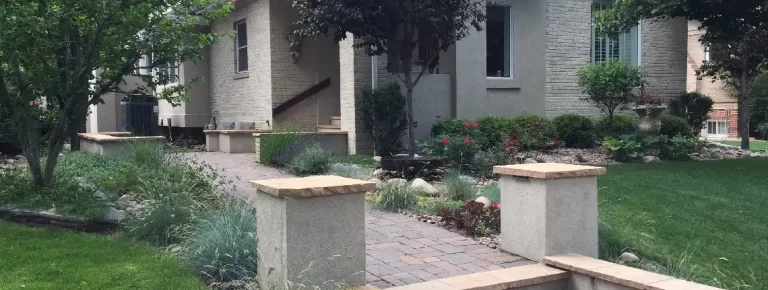
Small hardscape or irrigation issues are easier to fix before they turn into larger repairs. If patios, walkways, edging, or paved areas keep shifting after storms, professional hardscaping services can help improve stability and reduce future damage. A stronger surface layout can also help water move away from the spaces you use most.
Check Outdoor Living Areas After the Storm
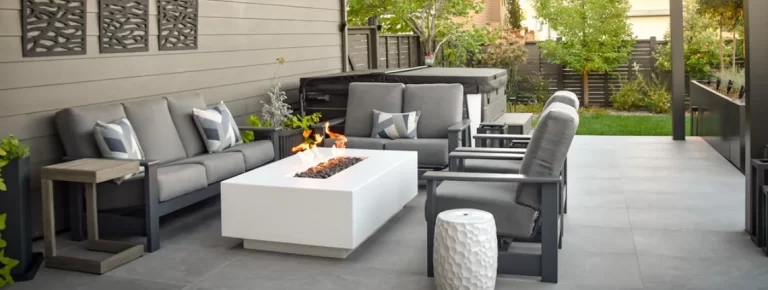
Hail can also affect outdoor spaces where your family relaxes, cooks, or entertains. Patios, seating areas, fire features, outdoor kitchens, and built-in features should be checked for debris, surface damage, drainage problems, or loose materials. Even small issues can get worse if water keeps collecting around these spaces.
Homeowners with custom outdoor living spaces should also look for clogged drains, shifted pavers, loose joints, and areas where runoff is moving across the surface. A quick inspection after each major storm can help protect the space and keep it safer to use. It also helps you catch small problems before they affect the full outdoor area.
What You Can Handle Yourself
Some hail damage cleanup is simple and safe for homeowners. Focus on basic cleanup first, then watch how the landscape responds over the next week. Avoid making major changes too quickly because some plants may recover once the weather clears.
You can usually handle:
- Picking up small branches
- Removing shredded leaves
- Cutting back broken flowers
- Moving clean mulch back into place
- Clearing blocked drains or walkways
- Taking photos of damage
- Watching plants for new growth
A few careful steps can help you clean the yard without causing more stress to damaged plants. Keep the cleanup light at first so you do not accidentally remove healthy growth. If the damage still looks serious after a few days, it may be time to get a professional opinion.
When Hail Damage Means It Is Time to Redesign
If one storm caused minor damage, cleanup may be enough. If your yard gets damaged after every major storm, the layout may not be working well with Denver’s weather. Plant placement, drainage, mulch depth, slope, irrigation, and hardscape layout all affect how well your outdoor space handles hail and heavy rain.
A redesign may make sense if you keep dealing with:
- Repeated washouts
- Standing water
- Plants that fail after storms
- Mulch that never stays in place
- Hardscape areas that shift or collect water
- Irrigation problems after heavy weather
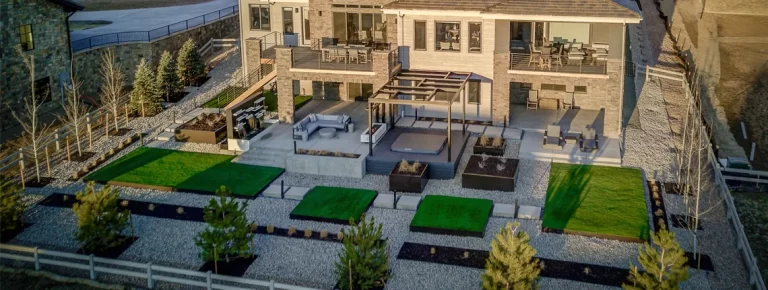
This is where professional planning can help. Mile High Landscaping’s landscape design and installation services in Denver, CO, can help homeowners rebuild damaged areas with stronger plant choices, improved water movement, and a layout designed for Colorado conditions. Instead of replacing the same damaged areas again, a better plan can make the yard more durable and easier to maintain.
Restore Your Denver Landscape With a Better Plan
Hail damage can be frustrating, but it can also show what your landscape needs to perform better. Start with safe cleanup, inspect plants, check drainage, review irrigation, and give damaged areas time to recover. If your yard needs more than a quick cleanup, Mile High Landscaping can help restore damaged areas through thoughtful landscape design, hardscaping, and outdoor living improvements built for Denver’s weather.
A better plan can help reduce repeat washouts, protect outdoor spaces, and support healthier plants after future storms. It can also make your yard easier to use and maintain throughout Colorado’s changing seasons. Contact us today to plan a stronger, better-looking outdoor space.